


Exams can often feel stressful, overwhelming, and even scary. But with smart exam preparation, you can turn that anxiety into confidence and perform your best. Smart preparation isn’t about spending 12 hours a day buried in books—it’s about studying effectively, retaining knowledge, and staying mentally and physically sharp. In this article, we’ll explore all aspects of smart exam preparation, step by step.
What is Smart Exam Preparation?

Smart exam preparation is a strategic approach to studying that prioritizes efficiency, understanding, and retention over rote memorization. Instead of simply reading textbooks endlessly, smart preparation uses techniques like active learning, time management, and revision planning. It ensures that you study less but learn more, reducing stress and improving your performance on exam day.
1. Start Early and Plan Your Study Schedule
The foundation of smart exam preparation is starting early. Last-minute cramming can cause unnecessary stress and lead to poor results. Here’s how to get started:
Create a Realistic Study Timetable
- Break down all subjects and topics into smaller, manageable chunks.
- Allocate specific times for each topic each day.
- Include buffer time for unexpected delays or difficult topics.
Set Achievable Daily Goals
- For example, instead of saying, “I’ll finish the whole chapter today,” aim to complete a specific section or a set number of questions.
- Tracking progress daily boosts motivation.
Incorporate Breaks
- Long study sessions without breaks reduce productivity.
- Use techniques like the Pomodoro Technique: 25 minutes of focused study followed by a 5-minute break.
2. Focus on Understanding, Not Just Memorization
Many students make the mistake of memorizing without understanding. Smart exam preparation emphasizes comprehension:
Use Visual Tools
- Mind maps, flowcharts, and diagrams help you visualize complex information.
- Seeing relationships between concepts improves memory retention.
Teach What You Learn
- Explaining a topic to a friend or even to yourself aloud ensures that you truly understand it.
Relate New Concepts to What You Know
- Making connections with previously learned material makes recalling information during exams easier.
3. Active Learning Techniques for Smart Preparation
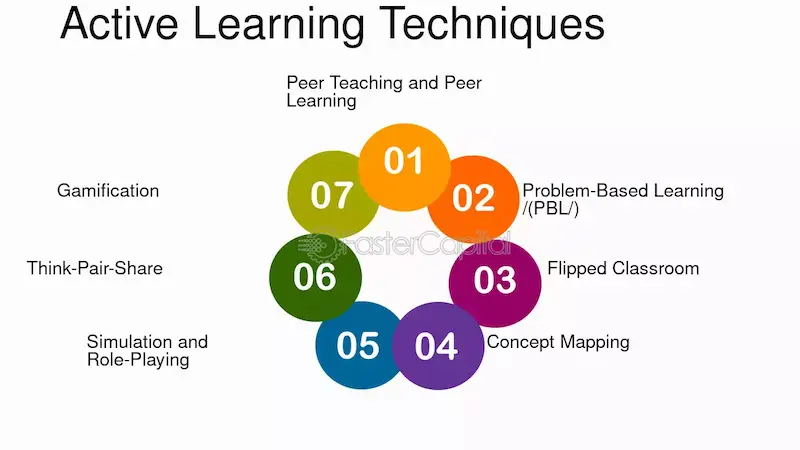
Active learning is proven to be far more effective than passive reading. Here’s how to implement it:
Solve Practice Questions
- Attempt past papers, sample questions, and quizzes.
- Identify weak areas and focus on improving them.
Use Flashcards
- Perfect for memorizing formulas, vocabulary, or definitions.
- Digital apps like Anki or Quizlet make flashcard study easy and efficient.
Summarize Notes
- After finishing a topic, write a short summary in your own words.
- Summarization forces active thinking and improves retention.
4. Prioritize High-Value Topics
Not all topics carry equal weight in exams. Smart exam preparation involves strategic prioritization:
- Use past exam papers to identify recurring topics.
- Focus first on topics you struggle with, but don’t ignore areas of strength.
- Allocate study time proportionally to the topic’s weightage and difficulty.
You may also like to read this:
Best Online Learning Guides For Students And Professionals
Study Learning Guides: Structured Paths For Faster Learning
Subject Learning Guides – Simplify Complex Topics With Ease
Exam Preparation Tips: Study Smart And Score High
Exam Preparation For Students: Top Tips & Strategies
5. Manage Your Study Time Wisely
Time management is critical to smart exam preparation:
Create a Daily Routine
- Dedicate specific time slots for each subject.
- Maintain a balance between studying, breaks, and recreation.
Limit Distractions
- Keep phones and social media away during study sessions.
- Use apps like Forest or Focus To-Do to stay concentrated.
Track Progress
- Check off topics as you complete them.
- Regular tracking keeps you motivated and organized.
6. Take Care of Your Mental and Physical Health
A healthy mind and body are essential for effective study:
Prioritize Sleep
- Memory consolidation happens during sleep, so aim for 7–8 hours nightly.
Eat Brain-Boosting Foods
- Include fruits, nuts, vegetables, and protein in your diet.
- Avoid excessive junk food and energy drinks.
Exercise Regularly
- Even short walks or stretching sessions reduce stress and improve focus.
Practice Mindfulness or Relaxation
- Meditation or deep-breathing exercises help manage anxiety and improve concentration.
7. Smart Revision Strategies
Revision is the key to converting preparation into performance. Smart exam preparation emphasizes strategic revision:
Use Spaced Repetition
- Review topics multiple times at increasing intervals.
- This technique improves long-term memory retention.
Focus on Weak Areas
- Spend extra time on topics you find difficult rather than revising what you already know.
Simulate Exam Conditions
- Time yourself while solving practice papers.
- This reduces exam-day anxiety and improves time management.
8. Stay Positive and Confident
Your mindset matters as much as your study habits:
- Avoid negative self-talk like “I’ll never do well.”
- Use affirmations: “I am prepared and capable of doing well.”
- Focus on your progress rather than comparing yourself with others.
9. Smart Exam Day Tips
Even after preparation, your approach on exam day can make a difference:
- Eat a healthy breakfast to fuel your brain.
- Arrive early to avoid last-minute stress.
- Read all instructions carefully and manage your time during the exam.
- Attempt easier questions first to build confidence and secure marks quickly.
Conclusion
Smart exam preparation is about strategy, focus, and balance. By planning early, understanding concepts, practicing actively, prioritizing wisely, and taking care of your health, you can prepare efficiently and perform your best.
Remember, success doesn’t come from studying harder, but from studying smarter. Adopt these techniques, and you’ll approach every exam with confidence, clarity, and calm.
FAQs on Smart Exam Preparation
1. What is smart exam preparation?
Answer: Smart exam preparation is a strategic approach to studying that focuses on efficiency, understanding, and retention rather than just memorization. It involves planning, active learning, prioritization, and taking care of your mental and physical health to perform better in exams.
2. How early should I start preparing for exams?
Answer: Ideally, start at least 4–6 weeks before your exams, depending on the syllabus. Starting early allows you to plan, revise, and practice without stress. Even if your exams are closer, creating a structured plan can still help you prepare effectively.
3. What are the most effective study techniques for smart preparation?
Answer: Some effective techniques include:
Active learning through practice questions and problem-solving
Using flashcards for quick revisions
Summarizing notes in your own words
Mind mapping and visual diagrams for better understanding
Teaching concepts to someone else to reinforce learning
4. How can I manage my time efficiently while preparing?
Answer: Time management is key. Create a study timetable with specific slots for each subject, use focused study intervals like the Pomodoro Technique (25 min study, 5 min break), and avoid distractions from phones or social media.
5. How important is sleep and nutrition during exam preparation?
Answer: Very important. Sleep consolidates memory, so aim for 7–8 hours per night. Healthy foods like fruits, vegetables, nuts, and proteins boost brain performance, while junk food and excessive caffeine can reduce focus and energy.