
Are you looking for free course materials to expand your knowledge without spending money? You’ve come to the right place! Today, learning has become more accessible than ever, and there are countless ways to access high-quality educational content—whether it’s textbooks, lecture notes, video lessons, or practice exercises—all for free.
Whether you’re a student preparing for exams, a professional upgrading your skills, or someone who just loves learning, free course materials can help you achieve your goals without financial stress. In this article, we’ll explore how to find these resources, how to use them effectively, and tips to maximize your self-study journey.
Why Free Course Materials Are So Valuable
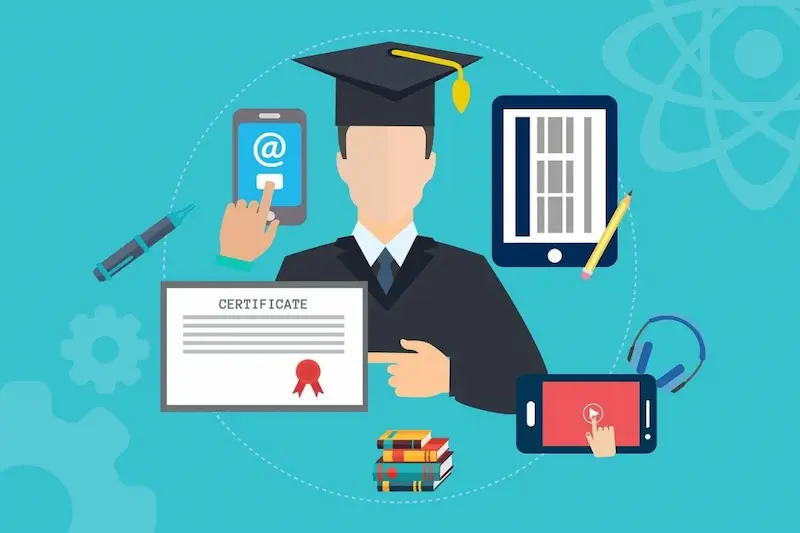
Free course materials have transformed the way people learn. Here’s why they are worth exploring:
- Accessibility: You can access content anytime, anywhere, from your computer, tablet, or phone.
- Variety: From science and technology to literature, business, and art, there’s material available for almost every topic.
- Flexibility: You can learn at your own pace, skip what you already know, and focus on areas you want to improve.
- Cost-Effective: You save money on expensive textbooks and courses while still receiving quality education.
- Encourages Self-Study: Using these materials promotes independent learning and critical thinking.
Types of Free Course Materials
There are several types of free educational resources you can access today. Here’s a breakdown:
1. Textbooks and Study Guides
Many educators and institutions provide textbooks and study guides online for free. These materials cover various subjects, including mathematics, science, history, and social studies. Digital textbooks are especially convenient because you can download them to read offline anytime.
2. Lecture Notes and Presentations
Lecture notes and slide presentations from professors are a fantastic way to learn key concepts quickly. They often summarize entire courses in a clear and structured way, making it easier to understand and retain information.
3. Video Lessons and Tutorials
Video tutorials are one of the most engaging ways to learn. They can explain complex topics visually, making them easier to grasp. Many platforms and educators create free video lessons covering everything from basic subjects to advanced skills.
4. Practice Exercises and Quizzes
Learning becomes more effective when you practice. Free course materials often include exercises, quizzes, and sample tests to help you apply what you’ve learned and test your understanding.
5. Open Educational Resources (OER)
Open Educational Resources are materials created by educators and shared publicly for free use. They include textbooks, lesson plans, lecture notes, and interactive content. These resources are designed to help learners at all levels, from beginners to advanced students.
You may also like to read this:
Online Course Materials Learn Anytime With Digital Resources
Course Materials For Students: Complete Study Guide
Best Digital Course Materials For Effective Learning Online
Subject-Wise Course Materials: Efficient Learning Made Easy
How to Make the Most of Free Course Materials
Accessing free course materials is just the first step. To truly benefit from them, follow these tips:
- Set Clear Goals: Decide what you want to achieve, whether it’s learning a new subject, preparing for exams, or mastering a new skill.
- Create a Study Plan: Structure your learning with a schedule. Allocate specific times for study to stay consistent.
- Take Notes: Even when materials are digital, writing notes helps reinforce your memory and understanding.
- Practice Regularly: Apply concepts through exercises, quizzes, or small projects to strengthen your skills.
- Stay Organized: Keep all your materials in one place, whether on your device or in physical folders, for easy access.
- Join Learning Communities: Even without formal classes, you can discuss topics with others online to gain deeper understanding and motivation.
Advantages of Using Free Course Materials
Using free course materials comes with many benefits:
- No Financial Burden: You can learn as much as you want without worrying about tuition fees or expensive books.
- Flexible Learning: You control the pace and structure of your learning, making it suitable for anyone’s schedule.
- Wide Coverage: From academic subjects to professional skills and hobbies, free course materials cover a vast range of topics.
- Promotes Lifelong Learning: Regular use encourages curiosity and builds a habit of continuous learning.
- Self-Empowerment: Learning independently gives you confidence and helps you develop problem-solving skills.
Conclusion
Finding free course materials is easier than ever, and these resources can truly transform the way you learn. With access to textbooks, lectures, video tutorials, exercises, and more, you can explore subjects at your own pace without spending a single penny.
Whether you want to excel academically, improve your professional skills, or simply satisfy your curiosity, free course materials give you the tools to succeed. Start exploring today, and take full advantage of the wealth of knowledge available at your fingertips!
FAQs About Free Course Materials
Q1: Are free course materials reliable?
Yes, many are created by educators and universities. It’s best to choose resources from reputable sources.
Q2: Can I get certifications from free course materials?
Some platforms offer free learning but charge for certificates. Focus on learning first, and certifications are optional.
Q3: Are free course materials available for competitive exams?
Yes! Many resources provide PDFs, notes, and practice tests for exams like SAT, GRE, UPSC, and others.
Q4: Do I need to register to access free course materials?
Some materials require free registration, while others are openly accessible. It depends on the platform.