

Learning new skills or subjects can sometimes feel overwhelming. Endless textbooks, confusing explanations, and scattered online resources can make you want to give up before you even start. That’s where easy learning guides come in. These guides are specially designed to simplify complicated topics, break them down into manageable steps, and make learning not just easier but also more effective and enjoyable.
Whether you are a student preparing for exams, a professional learning new skills, or someone just passionate about personal growth, easy learning guides can save time, reduce stress, and make your learning experience more productive.
In this article, we’ll dive deep into what easy learning guides are, why they are important, how to use them effectively, and where you can find the best resources. By the end, you’ll have a complete understanding of how to use easy learning guides to learn smarter, faster, and better.
What Are Easy Learning Guides?
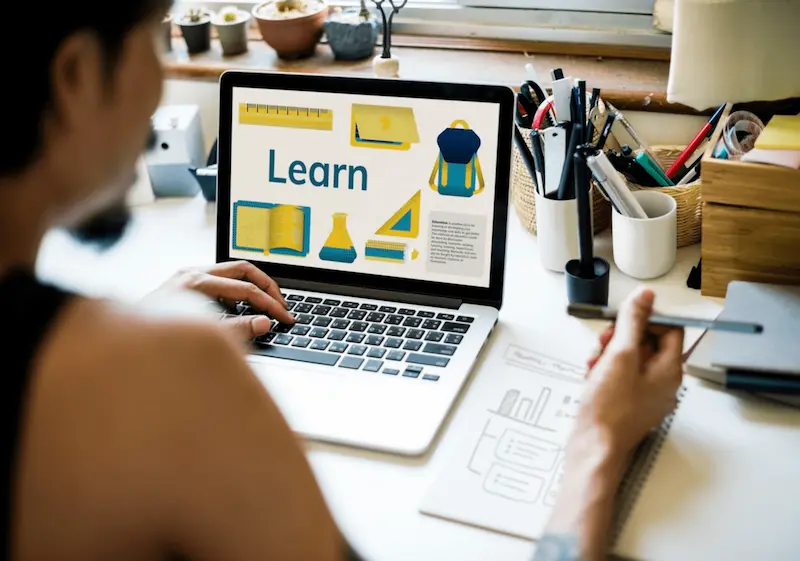
Easy learning guides are structured resources that present information in a simple, easy-to-understand format. They take complex concepts and break them into bite-sized pieces, making learning manageable.
Here’s what they usually include:
- Step-by-step explanations – Instead of jumping into the deep end, the guide takes you one step at a time.
- Visual aids – Charts, diagrams, infographics, and illustrations help you understand better and remember longer.
- Examples and exercises – Practicing what you learn reinforces your understanding.
- Summaries and key points – Quick recaps let you revise efficiently.
- Tips and shortcuts – Handy hints that make learning faster and more practical.
Imagine trying to assemble furniture with no instructions—it’s confusing and frustrating. Easy learning guides act like clear instructions, helping you assemble knowledge piece by piece without feeling lost.
Why Easy Learning Guides Are Important
Learning doesn’t have to be stressful or time-consuming. Here’s why easy learning guides are game-changers:
- Time-saving – They focus on essential information and eliminate unnecessary fluff.
- Clear understanding – Simplified explanations make even difficult topics approachable.
- Self-paced learning – You can go at your own speed, revisiting sections when needed.
- Confidence booster – Step-by-step instructions reduce confusion and help you feel accomplished.
- Improved retention – Using visuals, examples, and summaries makes remembering information easier.
- Stress-free learning – By organizing learning into manageable steps, guides reduce overwhelm.
Whether you are studying for school exams, professional certifications, or just personal development, these guides make learning smoother and more effective.
How to Make the Most of Easy Learning Guides
Using easy learning guides is more than just reading them—you need a strategy to truly benefit. Here are some practical tips:
1. Set Clear Learning Goals
Before diving in, ask yourself:
- What do I want to learn?
- What level of understanding am I aiming for?
Having clear goals keeps your learning focused and prevents wasting time on irrelevant material.
2. Follow Step by Step
These guides are structured for a reason. Skipping steps might confuse you, so take the learning journey in the order it is designed.
3. Take Notes
Writing down key points helps reinforce your understanding. Use bullet points, mind maps, or even digital apps like Notion or OneNote to organize your notes.
4. Practice Actively
Examples, exercises, or real-life applications are vital. Don’t just passively read—apply what you’ve learned.
5. Review and Revise
Summaries and key points at the end of guides are gold for quick revisions. Regularly revisiting these sections strengthens memory retention.
6. Combine Multiple Resources
Sometimes one guide is not enough. Combine guides, videos, and interactive courses to get a well-rounded understanding.
Types of Easy Learning Guides

Easy learning guides come in various formats. Choosing the right type can enhance your learning:
- Written Guides and E-books – Detailed, downloadable resources you can read anytime.
- Infographics – Visual representation of information, perfect for quick understanding.
- Video Tutorials – Step-by-step demonstrations, especially useful for skills-based learning.
- Interactive Online Courses – Hands-on exercises and quizzes for active learning.
- Flashcards and Summaries – Quick, memory-friendly guides for revision and retention.
Each type has its advantages. Combining them creates a rich, engaging learning experience.
Best Practices for Using Easy Learning Guides
To maximize the benefits, follow these best practices:
- Consistency is key – Even 15–30 minutes daily can lead to significant progress.
- Active engagement – Ask questions, take notes, and test yourself.
- Use spaced repetition – Revisiting concepts over time improves long-term retention.
- Stay organized – Keep your guides, notes, and exercises in one place for easy access.
- Reflect on learning – After finishing a guide, take a moment to summarize what you’ve learned.
These strategies turn easy learning guides into powerful tools for mastery.
You may also like to read this:
Learning Guides For Students: Study Smarter & Succeed
Step-By-Step Learning Guides: Learn Any Skill Easily
Best Online Learning Guides For Students And Professionals
Study Learning Guides: Structured Paths For Faster Learning
Where to Find Easy Learning Guides
Here are some reliable sources for easy learning guides:
- Educational websites – Platforms like Khan Academy, Coursera, and EdX provide structured guides.
- YouTube – Channels that explain topics step by step with visual demonstrations.
- E-books and PDFs – Many free and paid guides are available for download.
- Learning apps – Apps like Quizlet, Duolingo, and Skillshare provide interactive guides.
- Online forums – Communities like Reddit or Stack Exchange often share easy-to-understand resources.
Using multiple sources allows you to adapt learning to your style and pace.
FAQs About Easy Learning Guides
Q1: Who can benefit from easy learning guides?
Anyone—students, professionals, or lifelong learners—can gain from structured, simplified learning materials.
Q2: Are easy learning guides suitable for advanced topics?
Yes. Advanced topics can be broken down into smaller, easy-to-digest parts for better understanding.
Q3: Can I use easy learning guides for exam preparation?
Absolutely! They are ideal for revising key concepts quickly and effectively.
Q4: Do I need prior knowledge to use these guides?
Not necessarily. Many guides are beginner-friendly, while some are tailored for advanced learners.
Q5: How do I choose the best guide for my learning style?
Consider your preference for reading, visual learning, or interactive methods, and select guides that match your style.
Conclusion
Learning doesn’t have to be stressful or time-consuming. Easy learning guides are a practical solution to make any topic approachable and enjoyable. They break down complex ideas into clear, manageable steps, use visuals and examples to reinforce understanding, and provide summaries for easy revision.
By setting goals, following guides step by step, taking notes, practicing, and reviewing regularly, you can unlock a faster, more effective learning journey. Whether your goal is academic success, skill development, or personal growth, easy learning guides can transform the way you learn and help you achieve your objectives with confidence.
Start using easy learning guides today and experience how learning can be smarter, simpler, and more enjoyable!