

Course materials for students are one of the most important parts of the learning process. No matter what level you’re studying at—school, college, or university—your success depends heavily on how well you understand and use your course materials. In simple words, course materials for students are the tools that help you learn better, revise faster, and perform well in exams.
Let’s go step by step and explore everything you need to know in a clear, friendly, and practical way.
What Are Course Materials for Students?

Course materials for students include all the resources designed to support learning for a specific subject or course. These materials explain concepts, provide examples, and guide you through the syllabus in an organized manner.
They are usually created or recommended by teachers, institutions, or educational boards to make sure students are learning the right content in the right way.
Examples of course materials for students include:
- Textbooks and reference books
- Lecture notes and class handouts
- Presentation slides (PPTs)
- Online PDFs and digital notes
- Video lectures and recorded classes
- Practice papers, quizzes, and assignments
Each of these plays a different role in helping you understand and master your subjects.
Why Course Materials for Students Are So Important
Many students ask, “Are course materials really that important?” The answer is yes—absolutely.
1. They Build a Strong Foundation
Course materials for students are designed according to the syllabus, so they cover all essential topics. This helps you build a strong understanding from the basics to advanced concepts.
2. They Improve Academic Performance
When you study directly from course materials, you focus on what actually matters for tests, assignments, and exams.
3. They Support Independent Learning
Good course materials allow you to study on your own, revise anytime, and learn at your own speed without depending completely on teachers.
4. They Reduce Study Stress
Instead of feeling lost or confused, having organized course materials gives you a clear study direction and boosts confidence.
Different Types of Course Materials for Students
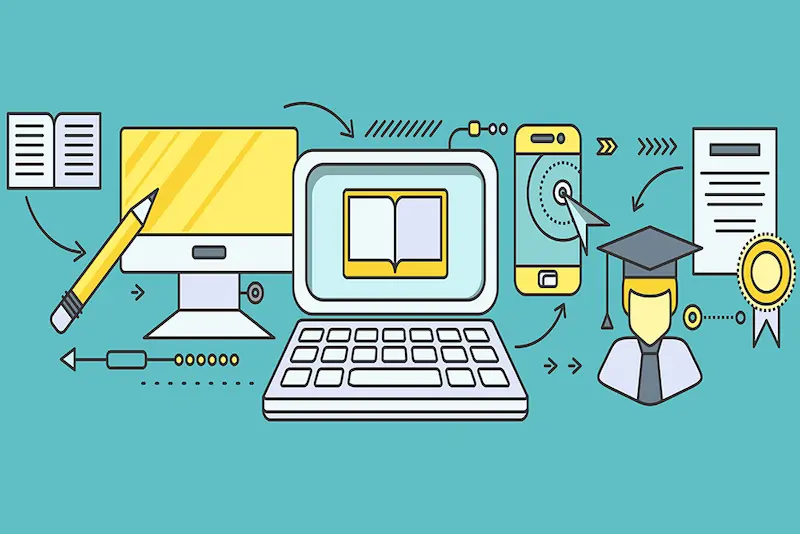
Not all students learn in the same way. That’s why course materials for students come in different formats to match different learning styles.
Textbooks and Reference Books
Textbooks are the backbone of most courses. They explain topics in detail and often include examples and exercises. Reference books go a step further by offering deeper explanations.
Lecture Notes and Handouts
Lecture notes are short, focused summaries of what the teacher explains in class. These are perfect for revision and last-minute exam preparation.
Digital Course Materials
Today, many students rely on digital course materials such as PDFs, slides, and online documents. These are easy to store, share, and access on mobile phones or laptops.
Video and Audio Materials
Video lectures and audio recordings are great for visual and auditory learners. They help you understand complex topics through explanations, diagrams, and real-life examples.
Practice and Assessment Materials
Worksheets, assignments, quizzes, and mock tests help you test your knowledge and identify weak areas.
How to Use Course Materials for Students Effectively
Having course materials is not enough—you need to use them the right way.
Start with the Syllabus
Always match your course materials with the syllabus. This ensures you’re studying what’s actually required.
Study Actively, Not Passively
Instead of just reading, try to:
- Highlight key points
- Write short notes
- Ask questions while studying
Active learning improves understanding and memory.
Combine Multiple Materials
Use textbooks for concepts, notes for revision, and practice papers for testing yourself. This balanced approach works best.
Make a Study Schedule
Divide your course materials for students into daily or weekly goals. This prevents last-minute pressure and improves consistency.
You may also like to read this:
Learn Smart With Free Course Materials For Every Subject
Online Course Materials Learn Anytime With Digital Resources
Best Digital Course Materials For Effective Learning Online
Subject-Wise Course Materials: Efficient Learning Made Easy
Benefits of Well-Organized Course Materials for Students
When your course materials are organized properly, studying becomes much easier.
- Faster revision before exams
- Better understanding of topics
- Improved time management
- Less confusion and stress
- Higher confidence during exams
Simple steps like labeling folders or arranging notes by subject can make a big difference.
Common Mistakes Students Make with Course Materials
Many students struggle not because they lack intelligence, but because they misuse course materials.
Some common mistakes include:
- Collecting too many materials and getting overwhelmed
- Ignoring teacher-recommended resources
- Studying without understanding concepts
- Skipping practice questions
Avoiding these mistakes helps you make the most of your course materials for students.
Tips to Improve Your Learning Using Course Materials
Here are some practical tips you can apply right away:
- Revise regularly instead of cramming
- Teach what you learn to someone else
- Use diagrams and mind maps
- Review mistakes from practice tests
- Stay consistent and patient
Final Thoughts
In conclusion, course materials for students are more than just books or notes—they are your learning partners throughout your academic journey. When you choose the right materials and use them properly, studying becomes easier, more effective, and even enjoyable.
If you stay organized, focused, and consistent, course materials for students can help you achieve better results and build confidence in your studies. Remember, it’s not about how many materials you have—it’s about how well you use them.
FAQs: Course Materials for Students
1. What are course materials for students?
Course materials for students are learning resources that help you understand your subjects better. These include textbooks, lecture notes, handouts, digital PDFs, videos, assignments, and practice papers designed according to your syllabus.
2. Why are course materials for students important?
Course materials for students are important because they explain concepts clearly, support self-study, and help you prepare effectively for exams. They also keep your learning focused on what is actually required.
3. What types of course materials for students are commonly used?
Common course materials for students include textbooks, reference books, class notes, presentation slides, online study materials, video lectures, quizzes, and sample question papers.
4. How can students use course materials effectively?
Students can use course materials effectively by following the syllabus, making a study plan, taking notes in their own words, revising regularly, and practicing questions related to each topic.
5. Are digital course materials better than printed ones?
Both digital and printed course materials for students have their benefits. Digital materials are easy to access and carry, while printed materials are helpful for focused reading. The best approach is to use a combination of both.