
In today’s digital age, online learning guides have become indispensable for anyone wanting to learn efficiently. Whether you’re a student preparing for exams, a professional aiming to upgrade your skills, or simply a curious learner exploring new hobbies, online learning guides help you stay organized, focused, and motivated. Unlike random browsing or scattered study materials, these guides provide structured paths, practical tips, and reliable resources that make learning easier and more effective.
Think of an online learning guide as your personal mentor—always ready to show you what to learn, how to practice, and how to track your progress. In this article, we’ll explore everything you need to know about online learning guides, including their benefits, how to choose the best ones, and how to maximize their effectiveness.
What Are Online Learning Guides?

Online learning guides are structured resources designed to help learners navigate courses, tutorials, and self-study programs. They often provide:
- Step-by-step instructions: Clear guidance on what to learn first and what to tackle next.
- Learning objectives: Goals that help you stay focused and measure progress.
- Practical exercises: Activities that reinforce knowledge and improve retention.
- Recommended resources: Links to videos, articles, e-books, and tools.
- Study tips: Time management strategies, note-taking suggestions, and motivation boosters.
- FAQs and troubleshooting: Help with common challenges that learners face.
For example, if you’re learning Python programming online, an effective guide might start with basic concepts like variables and loops, provide interactive exercises, and gradually introduce complex topics like object-oriented programming—all while offering tips to avoid common mistakes.
Benefits of Using Online Learning Guides
Using online learning guides offers multiple advantages that traditional self-study often lacks:
- Structured Learning – Guides organize content logically, eliminating confusion about what to study next.
- Time Efficiency – Instead of browsing hundreds of resources, guides point you directly to the most useful materials.
- Better Retention – Step-by-step instructions and exercises help you remember concepts longer.
- Flexibility – Study at your own pace, anytime and anywhere, without feeling rushed.
- Motivation and Confidence – Having a clear roadmap reduces stress and makes learning enjoyable.
In short, online learning guides help you learn smarter, not just harder. They save you from feeling overwhelmed by information overload, giving you a clear path forward.
How to Choose the Right Online Learning Guide
Not all online learning guides are created equal. Here’s how to pick one that fits your learning style:
- Clear and simple explanations: Avoid guides filled with jargon—clarity is key.
- Credible authors: Make sure the guide is created by experts or reputable sources.
- Interactive elements: Exercises, quizzes, and real-life examples enhance understanding.
- Progress tracking: Guides that help you track your learning milestones increase motivation.
- Adaptability: A good guide can be tailored to your schedule and skill level.
- Positive reviews: Check feedback from other learners to assess effectiveness.
For instance, platforms like Coursera, Khan Academy, and LinkedIn Learning provide guides with video tutorials, exercises, and progress tracking, making them excellent choices for learners.
Types of Online Learning Guides
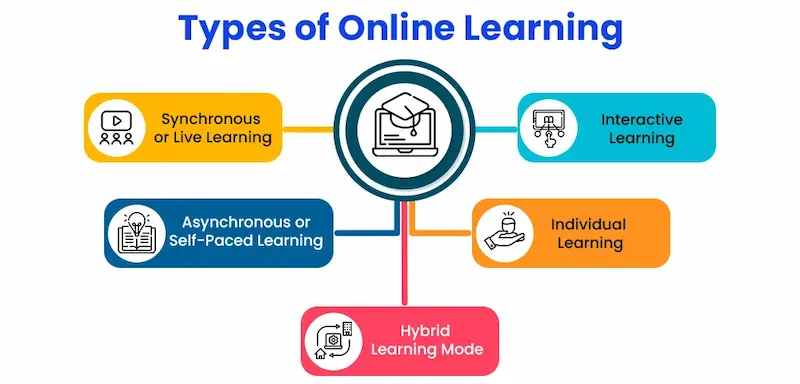
Online learning guides cater to a variety of learning needs. Here are the main types:
1. Academic Learning Guides
These guides help students prepare for exams, complete assignments, or understand difficult subjects. Examples include:
- High school math guides with problem-solving steps.
- College-level biology guides with diagrams, experiments, and quizzes.
2. Professional Skill Development Guides
These guides focus on boosting career skills like:
- Programming, web development, or app development.
- Digital marketing, SEO, or data analysis.
- Graphic design, photography, and creative skills.
3. Hobby and Personal Growth Guides
These guides are for learners exploring personal interests:
- Music tutorials for beginners to advanced levels.
- Writing guides for storytelling, blogging, or copywriting.
- Fitness and nutrition guides with step-by-step routines.
4. Certification and Exam Guides
Designed to help learners pass professional exams, including:
- PMP (Project Management Professional) exam guides.
- IELTS or TOEFL language proficiency guides.
- Microsoft, Google, or AWS certification guides.
No matter your learning goal, there’s a guide designed to make it achievable.
How to Make the Most of Online Learning Guides
Here’s a practical approach to using online learning guides effectively:
Step 1: Set Clear Goals
Decide what you want to achieve at the start—whether it’s completing a course, mastering a skill, or preparing for an exam. Write down your goals to stay motivated.
Step 2: Create a Consistent Study Schedule
Consistency beats cramming. Even 30–60 minutes daily is more effective than sporadic long sessions.
Step 3: Take Notes
Writing key points helps you process information and makes it easier to review later. Use digital tools or notebooks to keep everything organized.
Step 4: Practice Actively
Apply what you learn immediately. Coding exercises, practice tests, or real-life applications strengthen retention and understanding.
Step 5: Review Regularly
Don’t just move forward—regularly review previous lessons to reinforce memory and deepen understanding.
Step 6: Use Multiple Resources
Combine guides with videos, articles, and forums. A diverse approach ensures you understand the topic from multiple perspectives.
Step 7: Track Your Progress
Keep a checklist or journal to track what you’ve completed. Celebrate small milestones to stay motivated.
Common Mistakes to Avoid
- Skipping foundational concepts: Build a strong base before advancing.
- Multitasking while learning: Focus fully to retain information better.
- Ignoring practice: Guides are helpful, but without hands-on practice, learning is incomplete.
- Not revisiting material: Review regularly to solidify knowledge.
Avoiding these mistakes ensures your online learning journey is productive and stress-free.
You may also like to read this:
Easy Learning Guides – Learn Smarter And Faster Today
Learning Guides For Students: Study Smarter & Succeed
Step-By-Step Learning Guides: Learn Any Skill Easily
Study Learning Guides: Structured Paths For Faster Learning
Examples of Effective Online Learning Guides
- Khan Academy – Offers structured guides in subjects like math, science, and history with exercises and videos.
- Coursera Learning Paths – Professional skill guides with courses from top universities.
- edX MicroMasters – Step-by-step guides for professional and academic growth.
- LinkedIn Learning – Skill-building guides with practical exercises and certificates.
- YouTube Tutorial Series – Free, stepwise video guides on coding, art, music, and more.
Using these guides along with a disciplined approach maximizes results.
Final Thoughts
Online learning guides are more than just instructions—they are a roadmap to smarter, more organized, and more enjoyable learning. They help learners save time, stay motivated, and retain knowledge effectively. Whether your goal is academic excellence, career advancement, or personal growth, following a structured guide makes the process easier and more effective.
Remember, success in online learning doesn’t come from resources alone—it comes from using them smartly. A well-chosen guide, combined with discipline and practice, can turn learning into a productive and enjoyable journey.
FAQs About Online Learning Guides
Q1: Are online learning guides suitable for all ages?
A1: Yes! There are guides for students, professionals, and lifelong learners, catering to different levels and interests.
Q2: Can I use multiple guides at once?
A2: Yes, but it’s best to focus on one main guide at a time to avoid confusion.
Q3: Do I need to pay for online learning guides?
A3: Some guides are free, while others are paid. Free guides are excellent for beginners, but premium guides often provide more structured and in-depth learning.
Q4: How do I track progress effectively?
A4: Use digital trackers, checklists, or apps that log your completed modules and practice exercises.