

If you’ve ever felt lost in a pile of books, notes, and digital resources, then subject-wise course materials are exactly what you need. These materials are systematically organized according to each subject, making studying easier, more focused, and less stressful. Whether you are in school, college, or learning online, using subject-wise materials helps you stay organized, retain information better, and achieve your academic goals efficiently.
In this guide, we’ll explore what subject-wise course materials are, their benefits, how to access them, and the best strategies to use them effectively for maximum learning.
What Are Subject-Wise Course Materials?
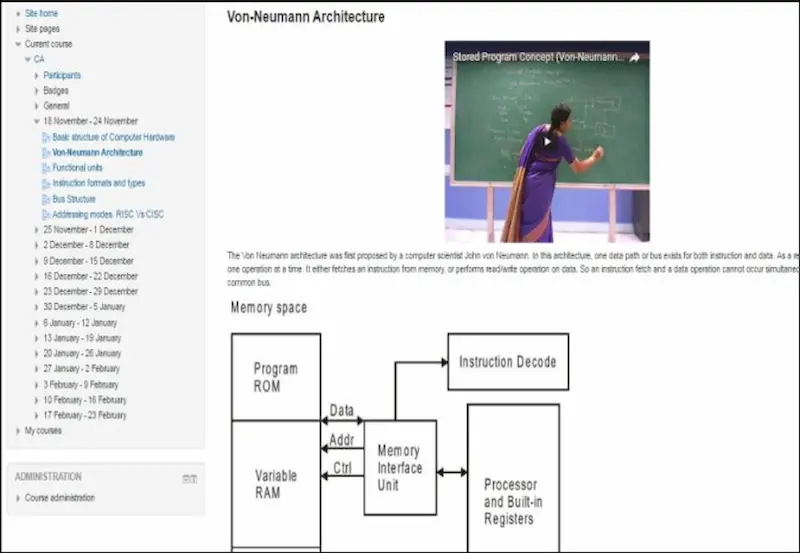
Subject-wise course materials refer to educational resources that are categorized specifically by subjects. This categorization allows students to focus on one subject at a time, streamlining the learning process. These materials can include:
- Textbooks and e-books: Core reading material for your subject.
- Lecture notes and slides: Summaries and key points from classes.
- Practice exercises and assignments: Reinforce understanding through repetition.
- Sample papers and previous exams: Helps you prepare for exams strategically.
- Video tutorials and interactive lessons: Visual learning tools for complex topics.
For example, if you are studying biology, having all your notes, videos, exercises, and reference books together as biology course materials can save you hours of searching for resources.
Why Subject-Wise Course Materials Are Important
Organizing your study resources by subject may seem simple, but it has a huge impact on your learning efficiency. Here’s why:
- Better Organization: All your notes, references, and exercises for a subject are in one place, reducing stress and confusion.
- Focused Learning: Studying one subject at a time ensures deeper understanding without distractions from other subjects.
- Time Efficiency: Less time is wasted searching for materials, giving you more time to learn and practice.
- Easier Revision: When exams approach, you can revise each subject systematically without jumping between unrelated materials.
- Boosts Confidence: Knowing that you have all the resources for a subject in one place improves your confidence and reduces exam anxiety.
Types of Subject-Wise Course Materials

Let’s break down what different types of subject-wise course materials you can use:
- Books and E-books:
These are the foundation of any subject. Many subjects have standard textbooks that cover the syllabus thoroughly. Digital versions are often available, which are searchable and easy to annotate. - Lecture Notes and Summaries:
Notes from teachers or online courses can simplify complex topics. Summaries help highlight only the important points, saving study time. - Practice Exercises:
Mathematics, physics, and chemistry rely heavily on practice. Subject-wise exercises ensure you can tackle problems systematically. - Past Papers and Sample Tests:
These give insights into exam patterns and important topics. Practicing these materials improves time management during exams. - Video Tutorials and Online Lessons:
Platforms like Khan Academy, Coursera, and YouTube offer subject-specific lessons. These are particularly helpful for visual and auditory learners. - Interactive Quizzes and Apps:
Many apps provide subject-specific quizzes, flashcards, and games that make learning fun and effective.
How to Access Subject-Wise Course Materials
Here are some of the most reliable sources for getting organized subject-wise course materials:
- School or College Portals: Many institutions upload lecture notes, assignments, and study materials categorized by subject.
- Online Educational Platforms: Websites like Coursera, Khan Academy, OpenStax, and BYJU’S provide organized subject-specific content.
- Digital Libraries: Resources like Project Gutenberg, Google Scholar, and National Digital Library offer e-books, research papers, and subject-specific guides.
- Video Platforms: YouTube channels dedicated to education can provide step-by-step tutorials for each subject.
- Study Groups and Forums: Online student communities often share organized notes and subject-specific study guides.
- Apps and Tools: Tools like Quizlet, Notion, and Evernote help you organize materials digitally by subject and topic.
You may also like to read this:
Learn Smart With Free Course Materials For Every Subject
Online Course Materials Learn Anytime With Digital Resources
Course Materials For Students: Complete Study Guide
Best Digital Course Materials For Effective Learning Online
Tips for Using Subject-Wise Course Materials Effectively
Having materials is one thing, but using them effectively is key. Here’s how to get the most out of your subject-wise course materials:
- Create a Study Schedule: Assign time blocks for each subject and stick to it. This helps avoid last-minute cramming.
- Take Notes While Studying: Even if your materials are comprehensive, writing down key points helps memory retention.
- Practice Regularly: Solve exercises, take mock tests, and attempt sample papers to reinforce learning.
- Combine Multiple Resources: Don’t rely on a single type of material. Use textbooks, videos, and quizzes together.
- Review Frequently: Revisit each subject periodically to retain concepts for the long term.
- Stay Organized: Use folders, binders, or digital apps to keep all your materials for each subject in one place.
Advantages of Digital Subject-Wise Course Materials
With the rise of digital learning, online subject-wise course materials have become even more valuable. Benefits include:
- Easy Accessibility: Access your materials from anywhere at any time.
- Interactive Learning: Many digital resources offer quizzes, videos, and simulations.
- Updated Content: Online platforms often update materials to match the latest syllabus.
- Space Saving: No need for heavy books; everything is available digitally.
- Cost-Effective: Many online materials are free or affordable compared to traditional textbooks.
Conclusion
In today’s fast-paced learning environment, subject-wise course materials are a lifesaver for students and self-learners alike. They help you stay organized, focus on one subject at a time, and make revision efficient. Whether you prefer physical books, digital content, videos, or interactive apps, organizing your study materials by subject can dramatically improve your learning outcomes and academic performance.
If you’re serious about studying smart, creating a system for subject-wise course materials is the first step toward success. Start small, organize your resources, and watch your efficiency and confidence grow.
FAQs
1. What are subject-wise course materials?
Answer: Subject-wise course materials are study resources organized according to each subject. They include textbooks, notes, practice exercises, video lessons, and sample papers, allowing students to focus on one subject at a time.
2. Why should I use subject-wise course materials?
Answer: Using subject-wise course materials helps you stay organized, saves time, improves focus, and makes revision easier. It ensures that all your study resources for a subject are in one place, boosting learning efficiency and exam performance.
3. Where can I find subject-wise course materials?
Answer: You can find them through:
School or college portals
Online educational platforms like Khan Academy, Coursera, and OpenStax
Digital libraries such as Project Gutenberg or National Digital Library
Educational YouTube channels
Study groups and online forums
Educational apps like Quizlet and Notion
4. Can subject-wise course materials help with exam preparation?
Answer: Yes! They make revision easier by organizing all study materials for each subject. Access to exercises, sample papers, and previous exams helps students practice and understand exam patterns.
5. Should I use digital or physical subject-wise course materials?
Answer: Both have benefits. Digital materials are easily accessible, interactive, and often updated, while physical books are helpful for reading and note-taking. Combining both can give you the best learning experience.