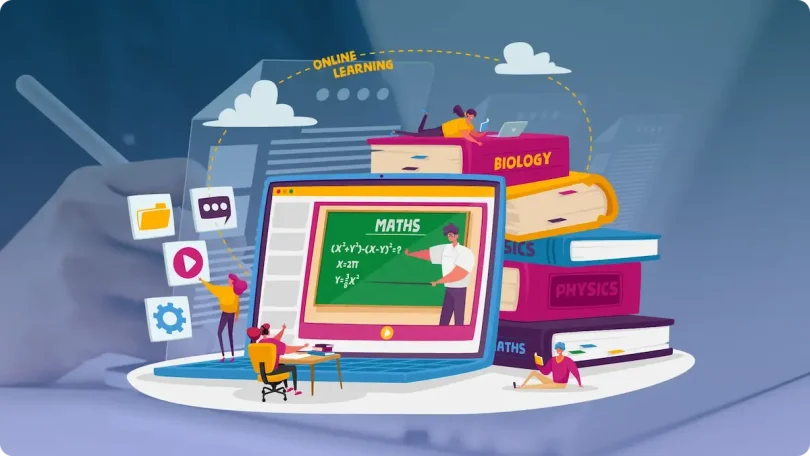

In today’s fast-paced world, learning is no longer confined to classrooms or heavy textbooks. Digital course materials are transforming education, making it more flexible, interactive, and accessible. If you’ve ever wondered how to effectively use digital resources to improve your learning—or if you’re an educator looking for better ways to teach—this guide is for you.
In this article, we’ll explore what digital course materials are, the benefits they offer, types available, tips for using them effectively, and where to find the best resources.
What Are Digital Course Materials?
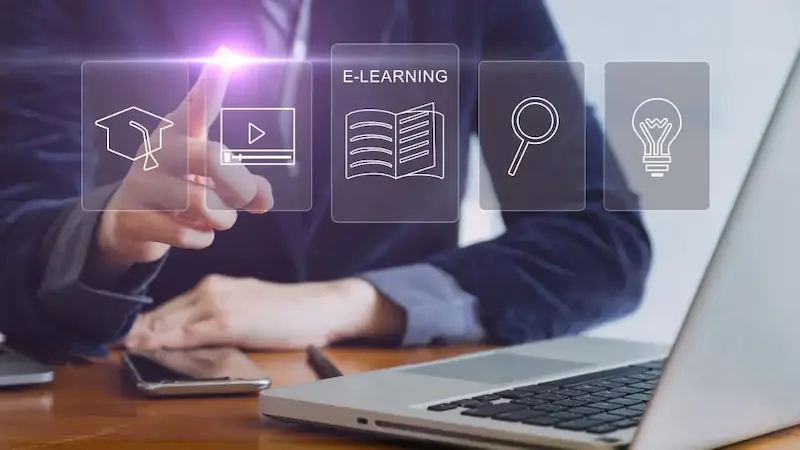
At its core, digital course materials are any educational resources available in electronic form. Unlike traditional printed textbooks or paper handouts, these materials are designed to be accessed on computers, tablets, or smartphones. They include:
- E-books and PDFs
- Lecture slides and class notes
- Video tutorials and recorded lectures
- Interactive quizzes and assessments
- Virtual simulations and labs
- Online discussion boards and collaborative tools
The goal of digital course materials is to make learning more dynamic, convenient, and personalized. Whether you’re studying at home, commuting, or attending an online class, you can access the content whenever you need it.
Benefits of Digital Course Materials

Digital course materials come with a wide range of advantages that make learning easier and more effective:
1. Flexibility and Accessibility
With digital resources, you can learn from anywhere at any time. Got a few minutes between classes or during a commute? Open an e-book or watch a short video lesson. This flexibility is especially helpful for remote learners or students with busy schedules.
2. Cost-Effective Learning
Digital resources are often cheaper than printed textbooks. Some platforms even offer free course materials, helping students save money while gaining access to high-quality content.
3. Interactive and Engaging Content
Unlike static textbooks, digital course materials often include interactive elements. Quizzes, animations, simulations, and videos help you engage with the material actively, improving understanding and retention.
4. Up-to-Date Information
Printed textbooks can become outdated quickly, but digital materials can be updated easily. This ensures that learners have access to the latest information, research, and examples.
5. Environmentally Friendly
By reducing paper usage, digital course materials contribute to environmental sustainability. Fewer printed books mean fewer trees cut down, making your learning eco-friendly.
6. Personalized Learning Experience
Many digital platforms allow you to customize your learning path. You can skip topics you already know, revisit challenging lessons, or pace yourself according to your own schedule.
Types of Digital Course Materials
Understanding the types of digital course materials can help you choose the best tools for your learning style:
1. E-books and PDFs
These are digital versions of traditional textbooks or study guides. The advantage is that you can search for keywords, highlight text, and make annotations without damaging a physical book.
2. Lecture Slides and Notes
Many educators provide lecture slides or notes in digital formats like PowerPoint or PDF. These summaries help students review important topics and focus on key points during exams.
3. Video Lessons and Tutorials
Recorded video lectures, tutorials, and demonstrations allow you to pause, rewind, and learn at your own pace. Platforms like Khan Academy, Coursera, and edX have thousands of video lessons across different subjects.
4. Interactive Quizzes and Assessments
Digital quizzes help you test your understanding in real time. Some platforms provide instant feedback, helping you identify areas for improvement.
5. Simulations and Virtual Labs
For subjects like science, engineering, or medicine, virtual labs allow students to conduct experiments digitally. These simulations are safe, cost-effective, and often provide experiences that physical labs cannot.
6. Collaborative Tools and Discussion Forums
Some digital course materials include discussion boards, group projects, and online collaboration tools. These features allow students to ask questions, share ideas, and learn from peers.
Tips for Using Digital Course Materials Effectively
Having digital course materials is only half the battle—you need to know how to use them effectively. Here are some practical tips:
1. Organize Your Files
Create folders on your device or cloud storage to categorize your materials by subject, topic, or week. This makes it easy to locate notes, assignments, and study guides.
2. Take Notes Digitally
Apps like OneNote, Notion, or Evernote allow you to highlight, annotate, and summarize your materials efficiently. Digital notes are searchable and easier to update than handwritten ones.
3. Set a Study Schedule
Digital learning offers flexibility, but without a schedule, it’s easy to procrastinate. Plan specific times each day to review your materials, watch videos, or complete quizzes.
4. Engage Actively
Don’t just read or watch passively. Take quizzes, complete exercises, and participate in online discussions to reinforce learning.
5. Backup Your Resources
Ensure your digital course materials are backed up using cloud services like Google Drive, Dropbox, or OneDrive. This prevents accidental loss of important files.
6. Combine with Offline Learning
Sometimes, a mix of digital and traditional learning works best. For example, reading from an e-book and then taking handwritten notes can enhance retention.
You may also like to read this:
Learn Smart With Free Course Materials For Every Subject
Online Course Materials Learn Anytime With Digital Resources
Course Materials For Students: Complete Study Guide
Subject-Wise Course Materials: Efficient Learning Made Easy
Where to Find Quality Digital Course Materials
Here are some reliable sources for digital course materials:
- Khan Academy: Free courses on a variety of subjects with videos, exercises, and lessons.
- Coursera & edX: University-level courses offering videos, assignments, and interactive quizzes.
- Open Educational Resources (OER): Free online educational materials accessible to anyone worldwide.
- Google Classroom & Moodle: Platforms where teachers upload notes, assignments, and learning resources.
- YouTube Educational Channels: Channels dedicated to tutorials, lectures, and skill-building exercises.
Challenges of Digital Course Materials
While digital resources are powerful, there are some challenges:
- Screen Fatigue: Spending long hours on digital devices can cause eye strain.
- Distractions: Studying on a device may tempt students to browse social media.
- Internet Dependency: Many digital materials require an internet connection.
These challenges can be managed by taking breaks, using offline resources, and staying disciplined.
Final Thoughts
Digital course materials are reshaping the way we learn, offering flexibility, interactivity, and convenience that traditional textbooks cannot match. By understanding the types of resources available, using them effectively, and combining them with smart study habits, you can maximize your learning potential.
Whether you’re a student seeking to excel academically or an educator striving to engage learners, embracing digital course materials is a step toward smarter, more efficient education.
Start exploring today, and let your digital resources guide you to success!
FAQs About Digital Course Materials
Q1: Are digital course materials suitable for all students?
A: Yes, digital materials cater to different learning styles and can be adapted for students of all ages.
Q2: Can I print digital course materials if I prefer hard copies?
A: Absolutely! Most PDFs and e-books can be printed if you like reading from paper.
Q3: How do I avoid distractions while using digital resources?
A: Use focus apps, schedule study sessions, and keep your device in study mode to minimize distractions.
Q4: Are all digital course materials free?
A: Not all, but many platforms provide free or low-cost options alongside premium courses.
Q5: Can teachers track student progress with digital course materials?
A: Yes! Many platforms offer tracking, analytics, and assessment tools to monitor student engagement and progress.